Nepal packs an astonishing range of birding into a small country — lowland wetlands, grasslands, and hill forests climbing toward the Himalaya. Timing your trip well makes an enormous difference. Here’s how we think about the calendar.
October to March — the wetland window
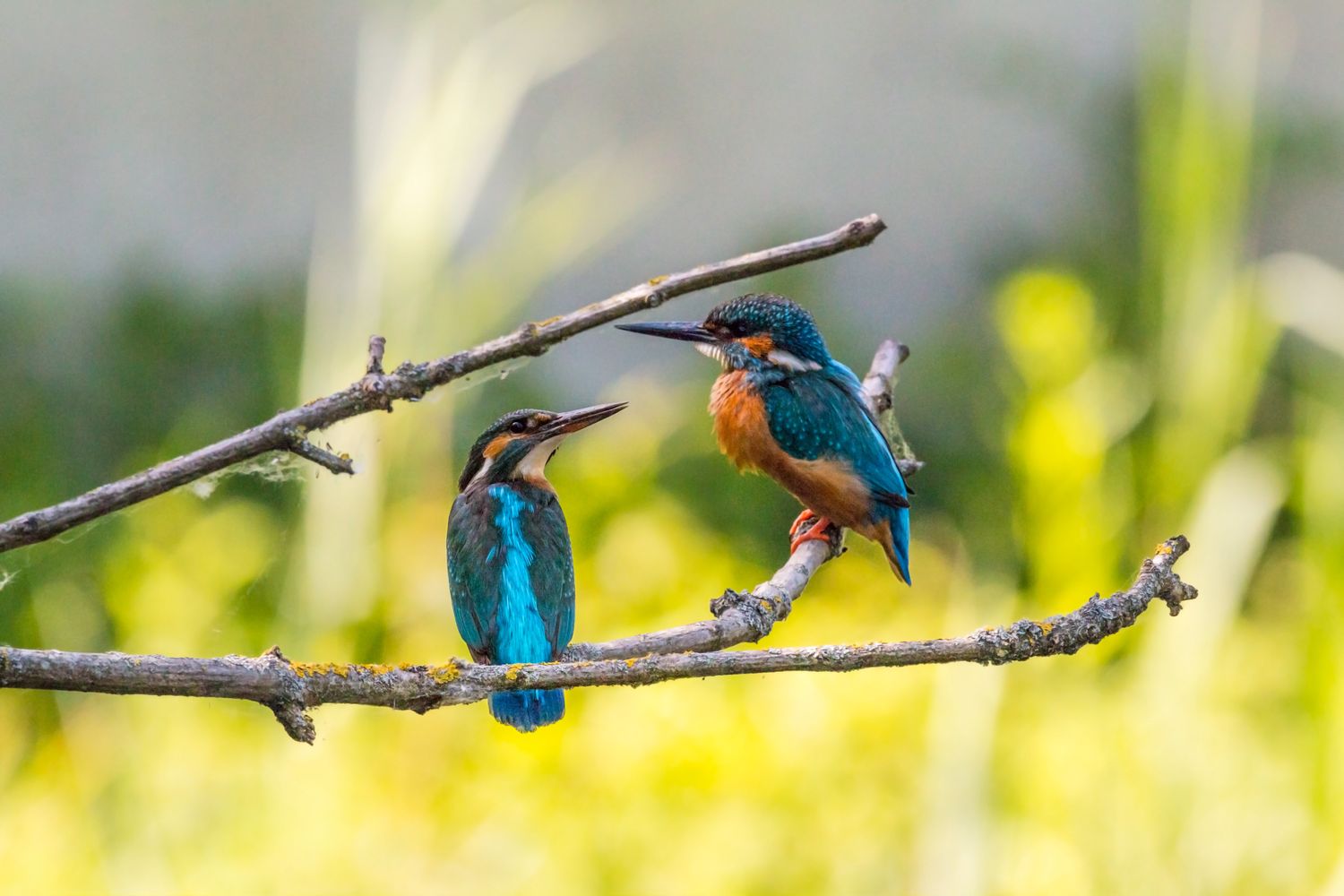
This is the headline season, and it belongs to Koshi Tappu. As winter settles, migratory waterfowl and waders pour into the Sapta Koshi floodplain in numbers seen nowhere else in Nepal. Ducks, geese, storks, ibis and shorebirds fill the channels and mudflats, with a steady trickle of rarities. If a big winter list is your goal, this is the time.
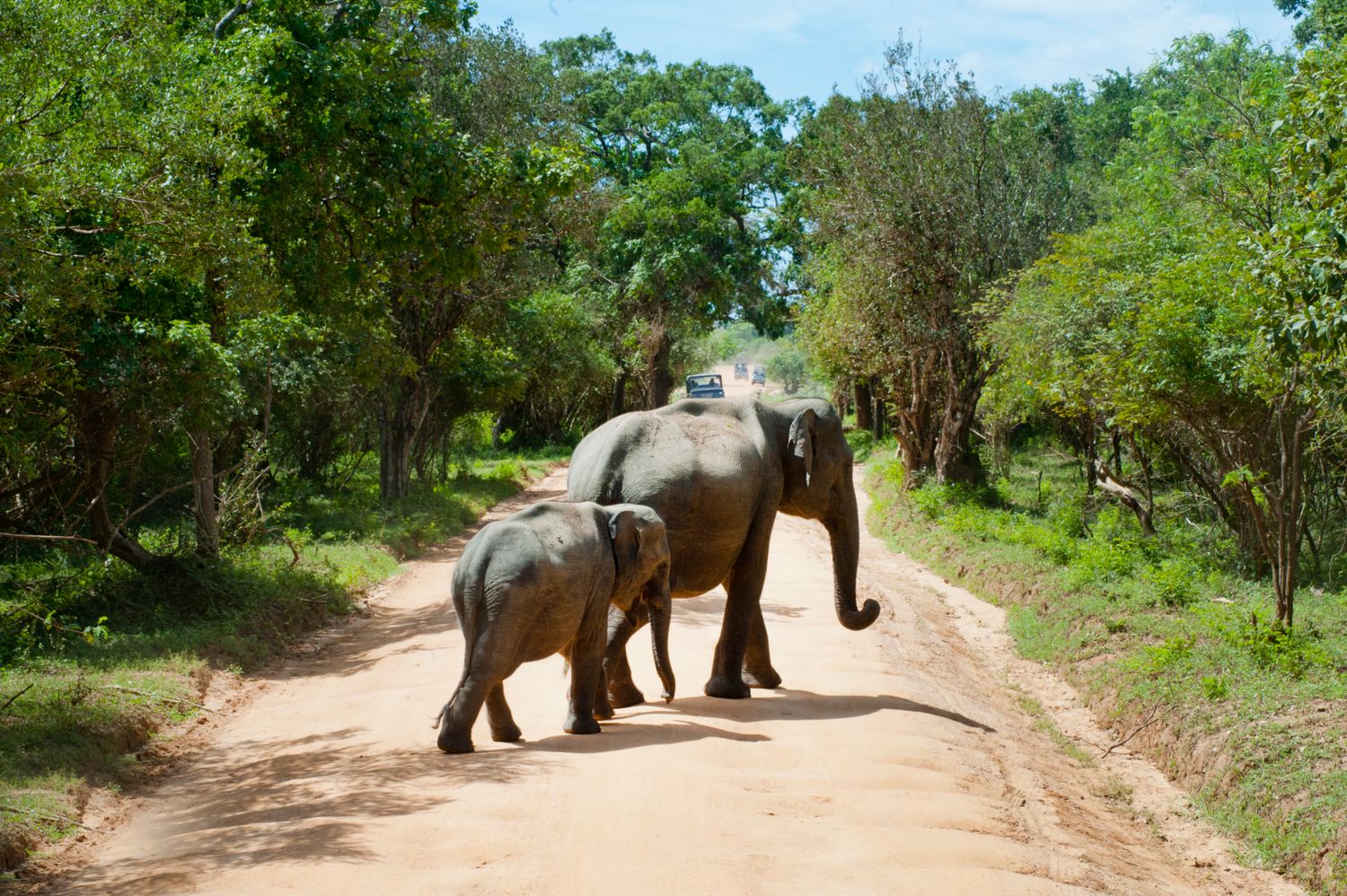
The Terai parks — Chitwan, Bardia, Shuklaphanta — are also at their best now: cooler, clearer, and comfortable for long days out.
February to May — the hills wake up
As spring arrives, the hill forests come alive. Phulchowki and Shivapuri near Kathmandu, and the eastern forests around Ilam, fill with song, breeding activity and altitudinal migrants — sunbirds, minivets, laughingthrushes, cutias and more. Mornings are the reward for an early alarm.
Planning around the birds
- Serious wetland listing? Aim for the Oct–Mar peak at Koshi Tappu.
- Hill and forest species? Late winter into spring is prime.
- Want both? A circuit that pairs the lowland wetlands with hill birding covers a remarkable spread.
Tell us what you most hope to see, and we’ll build the days around the season that gives you the best chance.